
Travel Advisories
Hurricane Isaias - Gulf of Mexico
Hurricane hunters find that Isaias now has 100 MPH winds. View advisories here >
A life-threatening storm surge is expected from the mouth of the Mississippi River to Suwannee, Florida.
Damaging hurricane force-winds are expected over portions of the Florida Panhandle, southern Alabama, and southern Mississippi where a hurricane warning is in effect
Damaging wind gusts are possible over much of central and northern Alabama, extreme eastern Mississippi, and portions of western and northern Georgia, especially in areas of higher terrain. Read more >
UPDATED OCTOBER 8, 2026
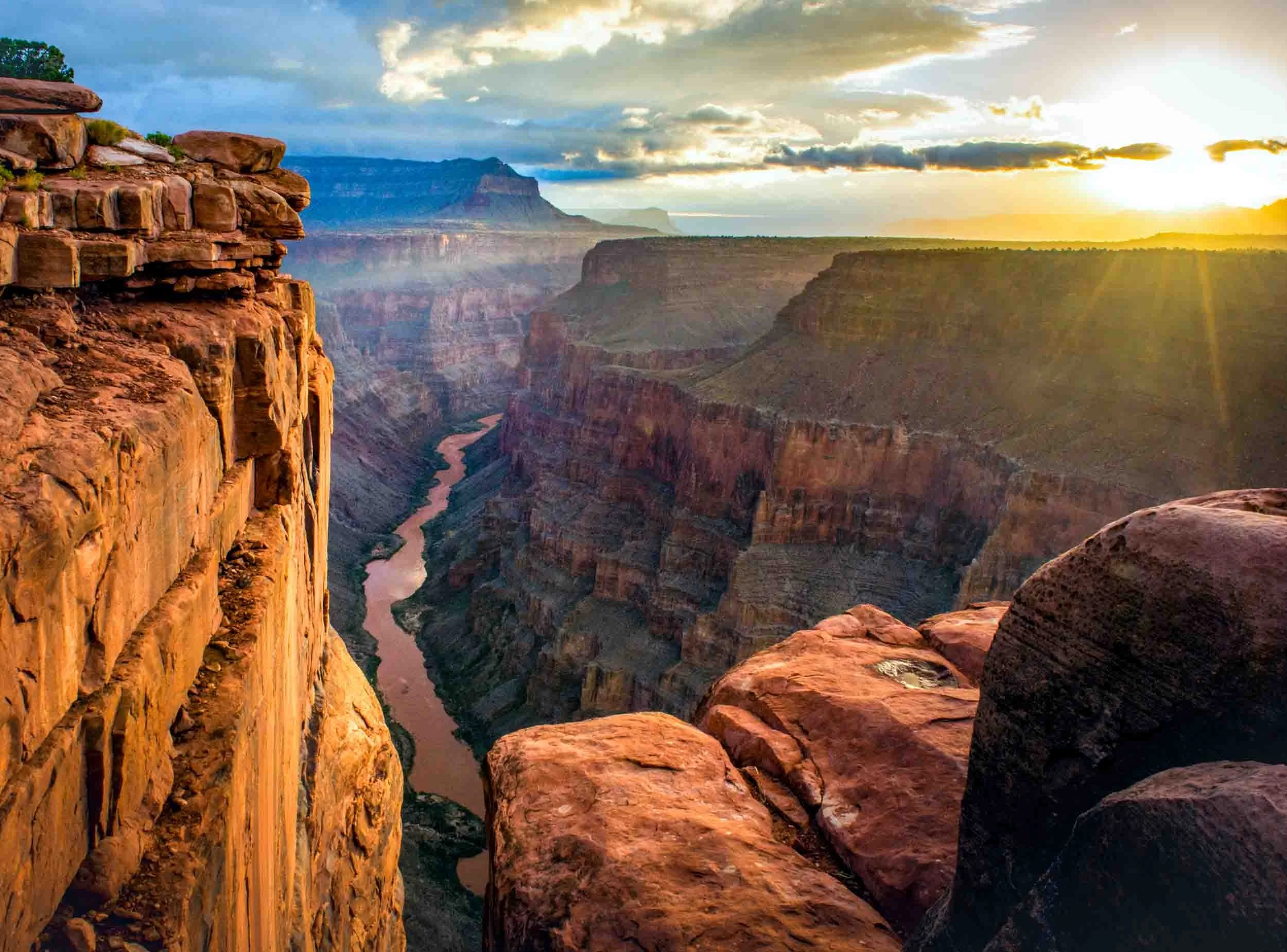
Grand Canyon National Park Flood
All overnight hotel accommodations inside Grand Canyon National Park are closed indefinitely following severe flash flooding along Bright Angel Creek. Visitors are advised to check the NPS website for the latest updates before traveling, as conditions are changing rapidly.
Current Park Access
The South Rim remains open for day visits under Stage 4 water restrictions. Visitors must conserve water, with limited faucet access and dry camping only. All fires are prohibited.
Hotels outside the park are still operational.
Please contact our Client Services team by emailing bookings@bonotel.com regarding any affected bookings.
Hotel Closures:
El Tovar - Grand Canyon (ID: 92)
Bright Angel Lodge (ID: 89116)
Maswik Lodge (ID: 94)
Yavapai Lodge (ID: 4991)
UPDATED OCTOBER 1, 2026
Hurricane Nolo - Pacific (Hawaii)
Major hurricane Nolo is passing southwest of the main Hawaiian Islands. View advisories here >
A message from the Hawaii Tourism Authority:
The National Weather Service (NWS) reports that Hurricane Nolo continues to move away from the Hawaiian Islands, but strong and gusty winds are expected across the state today.
Visitors are advised to remain alert to changing conditions. According to the NWS, high surf and damaging waves are likely along eastward facing beaches and shorelines on all islands today. South facing beaches are also likely to see higher surf for the next few days. Check the latest forecast and local guidance for the island you are visiting.
If You Have an Upcoming Trip
Monitor the forecast and check directly with your airline, accommodations, cruise line, activity providers, and event organizers for updates that may affect your plans.
Airports are open and operating normally.
Airlines are encouraging guests to ensure their contact information on their flight reservation is up to date for any operational communications they distribute regarding flight status.
If You Are in Hawaiʻi
Monitor National Weather Service and follow instructions from local authorities and your accommodation provider. Visitors are also encouraged to subscribe to emergency text alerts for the latest information.
For official Hawaiʻi County Civil Defense Alerts, text 'HAWAIIALERTS' to 888777.
For official Maui County Maui Emergency Management Agency (MEMA) alerts, text 'MAUIALERTS' to 38276.
On Hawaiʻi Island
Follow all posted restrictions and local guidance.
Continue to avoid Māmalahoa Highway (Route 11) between South Point Road and Kamani Street in Pāhala, where crews are working on road repairs, power restoration, and cleanup following Hurricane Lala.
Hawaiian Electric reports Kohala and Ka‘ū districts are without power due to strong gusting winds. View the latest Hawaiʻi Island Outage Map.
On Maui
The Hawaiʻi Department of Transportation strongly discourages travel to Hāna, as weather conditions can change quickly, and heavy rain can create hazardous conditions including flooding, rockfalls, and unsafe road conditions.
Hawaiian Electric reports portions of West Maui and Upcountry are without power due to strong winds. View the latest Maui County Outage Map.
Visit the Department of Land and Natural Resources website for information on the closures of state parks, camping, forest reserves, and hiking trails across the state.
UPDATED SEPTEMBER 28, 2026
Travel Guidance - Kauai, HI
A message from the Hawaii Tourism Authority:
The Hawaiʻi Tourism Authority has issued updated travel guidance for Kauaʻi, developed in collaboration with state, county, and visitor industry partners. Guidance will be reviewed weekly and updated sooner if conditions change.
This official guidance is reflected on our visitor landing page at gohawaii.com/lowell, including recovery information and verified donation resources.
For clients with upcoming Kauaʻi plans, please advise them to do the following before departure:
First contact their accommodations directly to confirm conditions, available amenities, and their ability to host guests.
Confirm flights, activities, transportation, and other essential parts of their itinerary directly with providers.
Review current road, park, beach, and heavily impacted areas.
Reconfirm arrangements as their arrival date approaches.
If essential parts of a client’s itinerary are unavailable, the Hawai‘i Tourism Authority recommends rescheduling the Kauaʻi visit instead of canceling the Hawaiʻi trip.
Clients traveling to Kauaʻi should be prepared for conditions that may not yet be typical. Please encourage them to respect closures and “local traffic only” designations, follow county and emergency guidance, and show patience toward businesses and employees managing recovery-related limitations.
Visitors can also support Kauaʻi by patronizing local restaurants, shops, and activity providers that are operating.
Mahalo for helping your clients make informed, responsible, and respectful travel decisions as Kauaʻi recovers.
Property Updates:
Grand Hyatt Kauai Resort and Spa (171): The property expects to be fully operational by September 20, 2026, with Anara Spa, Poipu Bay Golf Course, the pools and restaurants open. The saltwater lagoon will remain temporarily unavailable.
Castle Kiahuna Plantation and the Beach Bungalows (3411): The property experienced significant flooding, including damage to several ground-floor units. The property is currently unable to accommodate reservations through at least September 30, 2026.
Castle Po'ipu Shores (3006): The property experienced flooding in several units and other storm-related damage. The property is currently unable to accommodate reservations through at least September 30, 2026.
THE ISO HOTEL, Trademark Collection by Wyndham (8140): The property sustained roof and water damage to portions of the property and restaurant. The property is currently unable to accommodate reservations through at least September 30, 2026.
Royal Sonesta Kauai Resort Lihue (4110): All reservations with arrival dates through September 18, 2026 will be cancelled to support local community and ongoing relief recovery efforts.
1 Hotel Hanalei Bay (26752): All reservations with arrival dates through September 27, 2026 have been cancelled due to the extended timeline for resorting power to the North Shore.
OUTRIGGER Kauai Beach Resort & Spa (1085): To support your clients during this dynamic situation, the Wholesale Desk is standing by to assist with modifications, changes, or cancellations for arrivals scheduled between Thursday, September 10 and Wednesday, September 16, 2026.
Aston Islander On The Beach (3222): To ensure the safety and well-being of our guests, arrivals have been suspended through September 30, 2026.
Aston At Poipu Kai (4630): To ensure the safety and well-being of our guests, arrivals have been suspended through September 30, 2026.
Marriott’s Waiohai Beach Club (4113): Currently, the property is closed and all reservations through and including September 18, 2026 have been cancelled. Additionally, the hotel is waiving cancellation fees through and including September 30, 2026.
Sheraton Kaua‘i Resort (173): Currently, the property is closed and all reservations through and including September 18, 2026 have been cancelled. Additionally, the hotel is waiving cancellation fees through and including September 30, 2026.
Marriott’s Kaua‘i Beach Club (25720): Currently, the property is closed and all reservations through and including September 18, 2026 have been cancelled. Additionally, the hotel is waiving cancellation fees through and including September 19, 2026.
Marriott’s Kaua‘i Lagoons – Kalanipu‘u (4111): Currently, the property is closed and all reservations through and including September 18, 2026 have been cancelled. Additionally, the hotel is waiving cancellation fees through and including September 19, 2026.
The Westin Princeville Ocean Resort Villas (1363): Currently, the property is closed and all reservations through and including September 18, 2026 have been cancelled. Additionally, the hotel is waiving cancellation fees through and including September 30, 2026.
Waimea Plantation Cottages (4554): Now that the property has a more complete assessment of the work that must be done before they can welcome guests again, they have made the difficult decision to cancel all reservations through September 30, 2026. With the number of workers, trucks, noise from chainsaws and other equipment, it is not a safe time for guests to be on property.
UPDATED SEPTEMBER 15, 2026
Yosemite National Park - Timed Entry Reservations are NOT Needed for 2026
UPDATE: Yosemite National Park announced it will no longer use a timed reservation system in 2026. The decision follows a comprehensive evaluation of traffic patterns, parking availability and visitor use during the 2025 season.
Without a reservation system in place, Yosemite will broaden its use of operational strategies that proved effective during the 2025 season. These include:
Real-time traffic monitoring to identify and respond quickly to congestion hotspots.
Active parking management in Yosemite Valley to maximize available capacity.
Additional staffing at key intersections and decision points during peak periods.
Improved visitor information through road condition alerts, congestion warnings and trip-planning tools.
Expanded guidance encouraging weekday visitation, when parking and traffic conditions are more favorable.
Promoting recreation outside Yosemite Valley, including Tuolumne Meadows, Wawona, Hetch Hetchy and other high-quality destinations across the park.
Visitors traveling in 2026 are encouraged to:
Plan visits early, especially for weekends and holiday periods.
Consider weekday trips for lower congestion and greater parking availability.
Explore options for hiking, sightseeing and recreation outside Yosemite Valley.
Check the park website for real-time conditions, seasonal updates and trip-planning tools.
Visit the park site to learn more >
UPDATED February 19, 2026
Important Update: National Park Entrance Fee Changes for 2026
Effective January 1, 2026, the cost of the America the Beautiful Annual Pass for non-U.S. residents will increase from $80 to $250. This pass is valid for 12 months and provides entry to all U.S. National Parks as well as many federal recreation sites. It covers one non-commercial vehicle or two motorbikes.
Without an annual pass, international visitors will pay standard park admission fees — for example, currently $35 per vehicle at Grand Canyon and Yosemite — plus an additional $100 per person, per park, making the annual pass the most cost-effective option.
The additional $100 per person fee will apply at the following parks:
Acadia National Park
Bryce Canyon National Park
Everglades National Park
Glacier National Park
Grand Canyon National Park
Grand Teton National Park
Rocky Mountain National Park
Sequoia & Kings Canyon National Parks
Yellowstone National Park
Yosemite National Park
Zion National Park
How to Purchase the Annual Pass?
"Digital” Annual Passes can be purchased here: nps.gov. The price will remain $80 until December 31, and the pass will be valid through December 2026.
The online purchase process is simple, and the digital pass can be saved to an Apple Wallet. A printable paper version is also available. Please note: many parks have limited cellular or Wi-Fi coverage, so ensure the pass is saved to your device or printed in advance.
UPDATED DECEMBER 2, 2025
Zion-Mount Carmel Tunnel Restrictions
The restrictions on vehicle size for the Zion-Mount Carmel Tunnel are set to begin in mid-2026. Specifically, vehicles exceeding 11 feet 4 inches tall, 7 feet 10 inches wide, or 35 feet 9 inches long, or weighing over 50,000 pounds, will be rerouted. This change is part of a broader effort to address safety concerns and protect the historic highway and tunnel.
CURRENT RESTRICTIONS
Depending on the size of the vehicle, guests may not be able to travel through the Zion-Mount Carmel Tunnel on SR-9 between Zion National Park’s south and east entrances. The following are currently prohibited in the tunnel:
Vehicles over 13 feet 1 inch tall (4.2 meters)
Semi-Trucks
Vehicles carrying hazardous materials
Vehicles weighing more than 50,000 pounds (22,680 kilograms)
Single vehicles over 40 feet long (12.2 meters)
Vehicles and trailers with combined length over 50 feet (15.5. meters)
Bicyclists
Pedestrians
UPDATED AUGUST 4, 2025